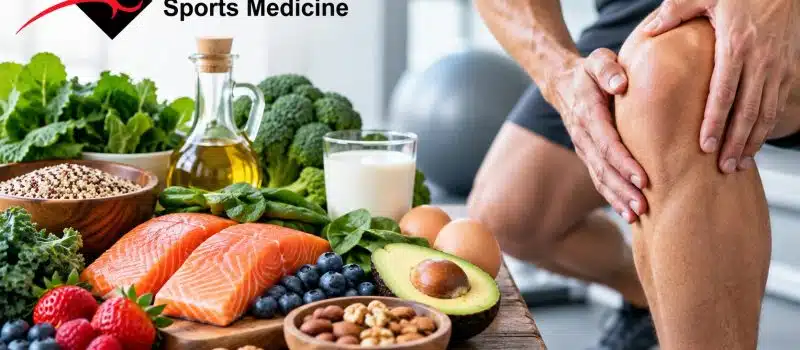
Healthy joints depend on more than exercise, activity levels, and injury prevention. Nutrition also plays an important role in maintaining strong bones, supporting muscles and connective tissues, and providing the nutrients the body needs to recover after an orthopedic injury or surgery. While no single food can prevent joint problems or replace appropriate orthopedic treatment, a balanced diet can contribute to overall musculoskeletal health.
For athletes, active adults, and patients recovering from orthopedic surgery, nutrition matters more because healing places additional demands on the body. Protein, calcium, vitamin D, healthy fats, antioxidants, and other essential nutrients all support bone maintenance, tissue repair, and recovery.
Building Strong Bones Through Nutrition
Bone is living tissue that continually changes throughout life. Adequate nutrition helps support bone density and strength, which becomes increasingly important with age and for people who participate in activities that place significant stress on the musculoskeletal system.
Calcium is one of the nutrients most closely associated with bone health. Dairy products such as milk, yogurt, and cheese are common sources, but calcium also comes from leafy green vegetables, fortified foods, almonds, and certain fish. Vitamin D is equally important because it helps the body absorb calcium. Fatty fish, egg yolks, fortified foods, and appropriate sun exposure can contribute to vitamin D levels.
Other nutrients, including magnesium, phosphorus, vitamin K, and protein, also help maintain healthy bones. Rather than focusing on one vitamin or mineral, eating a varied diet built around nutrient-dense whole foods gives the body a broader range of resources needed for skeletal health.
Protein Helps Support Muscles and Tissue Repair
Strong muscles help stabilize and protect joints. Protein provides amino acids the body uses to maintain muscle and repair tissues, making adequate protein particularly important for physically active individuals and patients recovering from orthopedic procedures.
Quality protein sources include fish, poultry, eggs, lean meats, dairy products, beans, lentils, nuts, seeds, soy foods, and other plant-based proteins. Including protein throughout the day rather than relying on one protein-heavy meal can help provide a steady supply of amino acids for muscle maintenance and recovery.
After orthopedic surgery, maintaining muscle becomes especially important because temporary reductions in activity can contribute to strength loss. Nutrition works alongside rehabilitation and physical therapy to help patients rebuild strength and gradually return to normal activities.
Foods That Can Be Part of an Anti-Inflammatory Diet
Inflammation is a normal part of the body’s response to injury and is necessary during healing. However, long-term or excessive inflammation is associated with a variety of health conditions and may contribute to joint discomfort.
A diet emphasizing minimally processed foods can provide nutrients associated with a healthy inflammatory response. Fatty fish such as salmon, trout, sardines, and tuna contain omega-3 fatty acids. Other useful choices include walnuts, flaxseed, chia seeds, extra-virgin olive oil, avocados, berries, cherries, leafy vegetables, broccoli, tomatoes, and other colorful fruits and vegetables.
Herbs and spices such as turmeric, ginger, and garlic can also be incorporated into a balanced diet. Rather than viewing individual foods as treatments, it is more useful to think about the overall dietary pattern. Consistently choosing vegetables, fruits, whole grains, lean proteins, fish, nuts, and healthy fats can support overall health while providing important nutrients for an active body.
Nutrition After Orthopedic Surgery
Recovery after orthopedic surgery requires energy and nutrients. The body repairs tissue while many patients participate in physical therapy and gradually rebuild strength and mobility.
Protein is especially important during this period because it supports muscle and tissue repair. Vitamin C from foods such as citrus fruits, berries, peppers, tomatoes, and broccoli supports collagen formation, while zinc and other micronutrients participate in normal wound healing. Calcium and vitamin D remain important when recovery involves bone.
Patients sometimes reduce their food intake substantially because they are less active after surgery. While calorie needs may change during periods of reduced activity, overly restrictive eating can make it harder to get enough protein, vitamins, minerals, and energy for recovery. The goal is generally to emphasize nutrient-dense foods while following any specific instructions provided by the orthopedic surgeon or healthcare team.
Hydration Matters for Recovery and Performance
Nutrition is only part of the equation. Adequate hydration supports normal circulation, muscle function, and overall physical performance. Fluid needs can vary considerably depending on body size, activity level, climate, medications, and individual health conditions.
Water should generally be the primary source of hydration. People exercising intensely or spending long periods in the West Texas heat may need more fluid and electrolytes. Patients recovering from surgery should follow their medical team’s recommendations, particularly when medications or underlying medical conditions affect fluid requirements.
Foods to Limit for Better Overall Health
A healthy approach to joint nutrition doesn’t require eliminating every favorite food. However, diets dominated by highly processed foods, refined carbohydrates, added sugars, and excessive saturated fat can displace more nutrient-dense choices.
Reducing sugary drinks, heavily processed snacks, and frequent fast-food meals creates more room for foods that provide protein, fiber, vitamins, minerals, antioxidants, and healthy fats. Maintaining a healthy body weight can also reduce mechanical stress on weight-bearing joints such as the knees, hips, and ankles.
For many people, the most sustainable approach is not a restrictive short-term diet but a long-term eating pattern that supports overall health and an active lifestyle.
Nutrition Is One Part of Maintaining Healthy Joints
Good nutrition cannot prevent every orthopedic injury or eliminate an existing structural joint problem. It can, however, help provide the foundation the body needs to maintain bone and muscle, support normal tissue repair, and recover from physical activity or orthopedic treatment.
For patients recovering from an injury or surgery, nutrition should complement—not replace—the treatment plan provided by their orthopedic surgeon, physical therapist, or other healthcare professionals. Individual nutritional requirements can also vary based on age, activity level, medications, medical conditions, and the type of orthopedic procedure performed.
Frequently Asked Questions
What foods are good for bone and joint health?
A balanced diet containing calcium-rich foods, adequate protein, fruits and vegetables, whole grains, healthy fats, and foods containing vitamin D can support bone and musculoskeletal health. Fatty fish, leafy greens, dairy products, berries, nuts, seeds, eggs, beans, and lean proteins are useful examples.
What should I eat while recovering from orthopedic surgery?
Recovery generally requires adequate calories and protein along with vitamins and minerals from a varied diet. Lean proteins, fish, eggs, dairy products, beans, vegetables, fruits, whole grains, nuts, and healthy fats can provide nutrients involved in tissue repair and recovery. Patients should follow any specific dietary instructions provided by their surgeon or healthcare team.
Can nutrition reduce joint inflammation?
Diet alone is not a treatment for an orthopedic condition, but an eating pattern rich in vegetables, fruits, fish, whole grains, nuts, seeds, and healthy fats can support a healthy inflammatory response. Limiting heavily processed foods and excessive added sugar can also improve the diet’s overall nutritional quality.
For more information about maintaining joint health, treating orthopedic injuries, and returning safely to an active lifestyle, learn more about Dr. Kevin Crawford’s orthopedic specialties, orthopedic surgery, or visit his profile at https://lubbocksportsmed.com/lubbock-sports-doctors/dr-kevin-crawford/ .
Disclaimer: This article is intended for general informational and entertainment purposes only and should not be considered professional advice. Always consult a qualified professional regarding your specific needs or circumstances.