Shoulder instability occurs when the structures that support the shoulder joint are unable to keep it properly aligned, often leading to repeated dislocations or a feeling that the shoulder may “give out.” When nonsurgical treatments fail to provide relief, shoulder instability repair may be recommended to restore stability and protect the joint. Understanding what recovery looks like after surgery can help patients set realistic expectations and stay committed to the rehabilitation process.
Early Healing and Protection
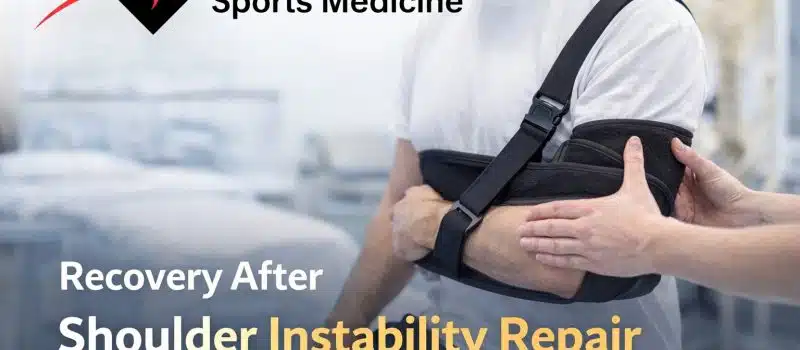
In the first few weeks following shoulder instability repair, the body focuses on healing the repaired tissues. Patients are typically placed in a sling to limit movement and protect the shoulder. Pain, swelling, and stiffness are common during this phase and usually improve with time, rest, and appropriate pain management.
Physical therapy may begin early with carefully guided passive movements, which help prevent excessive stiffness without placing stress on the repair. During this stage, it is important to avoid sudden motions or lifting, as the surgical repair is still vulnerable.
Regaining Motion and Control
As healing progresses, rehabilitation gradually shifts toward restoring movement. The sling is often removed after several weeks, and therapy introduces active range-of-motion exercises. These movements allow patients to begin using their shoulder again in a controlled and structured way.
Strengthening exercises are added cautiously, focusing on the rotator cuff and surrounding muscles that support shoulder stability. Progress varies depending on the individual, the type of instability repaired, and overall health. While many daily activities become easier during this phase, high-demand motions are still limited.
Strengthening and Functional Recovery
By the third month after surgery, many patients notice significant improvements in strength and shoulder control. Rehabilitation becomes more advanced, emphasizing endurance, coordination, and functional movement. The goal is to help the shoulder perform smoothly and reliably during everyday tasks.
For individuals with physically demanding jobs or athletic goals, therapy may include activity-specific training. Returning to sports or heavy labor is a gradual process and should only occur once adequate strength and stability have been restored.
Long-Term Recovery and Outcomes
Complete recovery from shoulder instability repair often takes six months or longer. While timelines differ, most patients experience improved joint stability, reduced pain, and greater confidence in shoulder movement. Long-term success depends heavily on completing the full rehabilitation program and maintaining shoulder strength after formal therapy ends.
Supporting a Successful Recovery
Patients can improve outcomes by following post-operative instructions closely, attending physical therapy consistently, and avoiding the temptation to return to strenuous activities too early. Open communication with healthcare providers during recovery helps address concerns before they become setbacks.
Shoulder instability repair, when combined with proper rehabilitation, offers many patients the opportunity to regain function and return to an active lifestyle with greater confidence and stability.
Follow us on Facebook and Twitter, by Sports Doctor Lubbock, Rotator Cuff Repair, and Shoulder Instability Recovery
This article is for general purposes only and should not be considered medical advice. If you have any medical issues or questions, consult your physician.